A thousand years
History
A castle, a ridge and a thousand years of comings and goings. From the parish church of the year 1000 to the Malaspina, to the revolt that made Castevoli famous throughout the valley.

A thousand years
A castle, a ridge and a thousand years of comings and goings. From the parish church of the year 1000 to the Malaspina, to the revolt that made Castevoli famous throughout the valley.
The origins
The name comes from the Latin Casteolo: “walled land”, a little castle. The name first belonged to the knoll, and from the knoll it passed to the fief and to the village.
But before the castle there was the road. Along the ridge above the village ran an ancient mountain way from Piacenza down to the sea at Luni, over the Borgallo pass: it kept to the right bank of the Magra, a harsher alternative to the via Francesca, the pilgrims’ Francigena on the other side. It was so old that folk memory still called it “Hannibal’s road”, as if the Carthaginian and his elephants had once passed that way.
It was the road that made Castevoli. The oldest part is the Pieve, the church of San Martino, in documents as early as 998: almost a century before the castle. And some imagine that on this knoll, already in Roman times, a small stronghold watched over that crossing — the castellum from which the village would take its name. No excavation proves it, but it suits a place born, from the very start, on a route of passage.
The fief
The place enters written history in 1077, when the emperor Henry IV grants “Casteulo” to the marquises Ugo and Folco d’Este. From then on the village follows the fortunes of its castle: from the Este it passes to the Malaspina dello Spino Secco, who take possession in 1221, with a brief interlude under the Republic of Genoa in the fifteenth century.
The stones tell the same story in stages: an early keep of the 11th–12th centuries, the round watchtower and the walls of the 14th, the houses of the “old village” of the 15th — on a sandstone portal you can still read the date “MCCCC”.
The Renaissance
In 1561, dividing the inheritance with his brother, Tommaso I Malaspina receives Castevoli and raises it to an independent fief. It is he who gives the village the face it still shows today.
With the capital from his wife’s dowry, Bianca Sicchi d’Aragona, Tommaso restored the castle and arranged the terraced houses at the foot of the ramparts, giving the old settlement “the distinctive shape of a castle village, ringed by walls and closed by a single gate”. On the manor gate he had carved, in 1563, his motto: Deum cole, “honour God”. Just outside the village he founded the convent of San Bernardino for the Observant Friars Minor.
Curiously, the lord who shaped Castevoli hardly lived there. Tommaso was a man of the court — ambassador in Vienna, then governor of Siena, where he died in 1603 — and kept the fief “in the hands of honest ministers”. The village was left with his works: the enlarged castle, the Madonna and Child carved above the entrance, the bell of 1461 still hanging not far away.
Castevoli was “in ancient times more privileged than the other lands”, the first “to be freed from serfdom”, raising its inhabitants “to the rank of free citizens”.Eugenio Branchi, Storia della Lunigiana feudale, 1897
1791 – 1795
Of that ancient privilege the people of Castevoli were jealous. When the marquis Tommaso III imposed new taxes, forced labour and a toll on the Geriola stream, the village rose up — and its revolt became a legend throughout the valley.
Between 1791 and 1795 the unrest mounted until the castle was occupied: the podestà fled by night to take refuge with the friars, and the manor was left “in the hands of the people”. Tradition even tells of a tree of liberty raised before the gate — though the trial records say nothing of it: the people of Castevoli were less convinced Jacobins than folk “resentful and intolerant of abuse”.
The village’s memory holds that an envoy sent by the marquis was made to “swallow” the letter he carried.Local tradition, recorded in Manlio Erta, 1977
But it was not all folklore. In 1794 the insurgents descended on the fief’s prison, which stood not far off at Groppoli, to free their imprisoned companions.
A band of insurgents … coming suddenly to Groppoli, broke open the prison and set two inmates free.Eugenio Branchi, Storia della Lunigiana feudale, 1897
The reprisal was harsh: the emperor charged the Duke of Modena with quelling the revolt by arms, and the trial records still fill two volumes in the State Archive of Milan. Yet it did not stop history: in 1797 General Chabot’s proclamation abolished the imperial fiefs of Lunigiana, and with them the lordship of the Malaspina — Castevoli, it was said, was “the first of all” to fall.
The nickname, though, has stuck. When the historian Nicola Michelotti came in the 1980s to study the revolt, his “invaluable guide” around the castle was Augusto Gavarini, “self-taught, a proud and passionate student of the history of Castevoli, faithful keeper of local tradition”: and it was to him that Michelotti owed the knowledge that, to this day, in the territory of Mulazzo the people of Castevoli are still fondly called “the rebels”.
The return
With the fief fallen, the village changed hands several times — Tresana, then Parma — before being joined to the municipality of Mulazzo in 1849. The earthquakes of 1820 and 1920 wounded the castle, and abandonment was followed by a long silence: two centuries in which the manor crumbled and the village emptied.
Then, in 1991, the artist Loris Nelson Ricci, with his wife Erika End, bought it and restored it stone by stone, making it his studio as well. It is the same story as so many houses in the village: kept as they were, and held up by those who return.
First documentary trace: Oberto II renounces his rights over the pieve of Vico — today’s San Martino — in favour of Bishop Gotifredo of Luni.
The emperor Henry IV grants “Casteulo” to the marquises Ugo and Folco d’Este: the first mention of the place.
The castle passes to the Malaspina dello Spino Secco, the house that will mark its history.
An interlude under the Republic of Genoa; then the return to the Malaspina of Villafranca.
Tommaso I Malaspina raises Castevoli to an independent fief and gives the village the form it still keeps.
The inscription “Deum cole” is carved on the castle gate, Tommaso’s programme of government.
Just outside the village Tommaso I founds the convent of San Bernardino, for the Observant Friars Minor.
The uprising: the people occupy the castle and rise against the marquis Tommaso III. Castevoli is “the first of all” the fiefs to rebel.
General Chabot’s proclamation abolishes the imperial fiefs of Lunigiana: the lordship of the Malaspina ends.
After passing through Tresana and Parma, Castevoli is joined to the municipality of Mulazzo.
Two earthquakes damage the castle, followed by a long abandonment.
The artist Loris Nelson Ricci and his wife Erika End buy and restore the castle, snatching it from ruin.
This page is a story, not an encyclopaedia entry. Anyone wishing to check or dig deeper will find here the works it draws on — many available online.
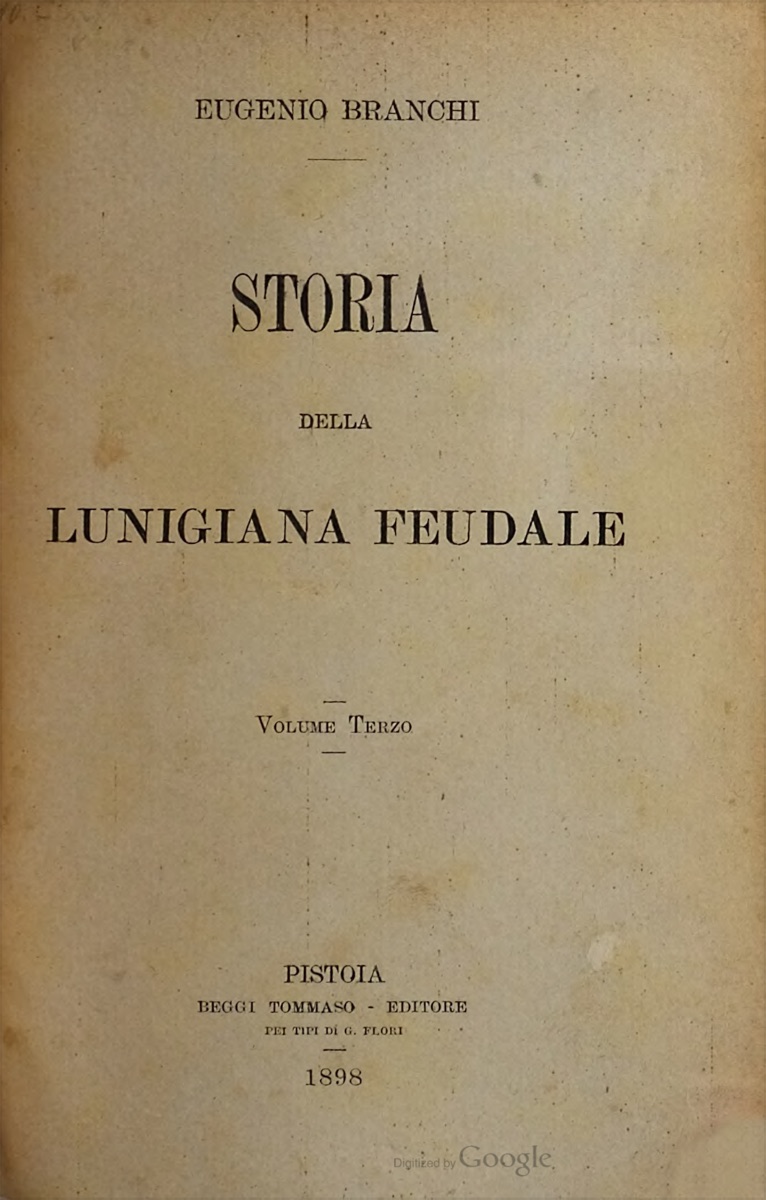
Eugenio Branchi, Storia della Lunigiana feudale, 3 vols., Pistoia 1897–1898 — the chapter on Castevoli and the revolt of 1794.
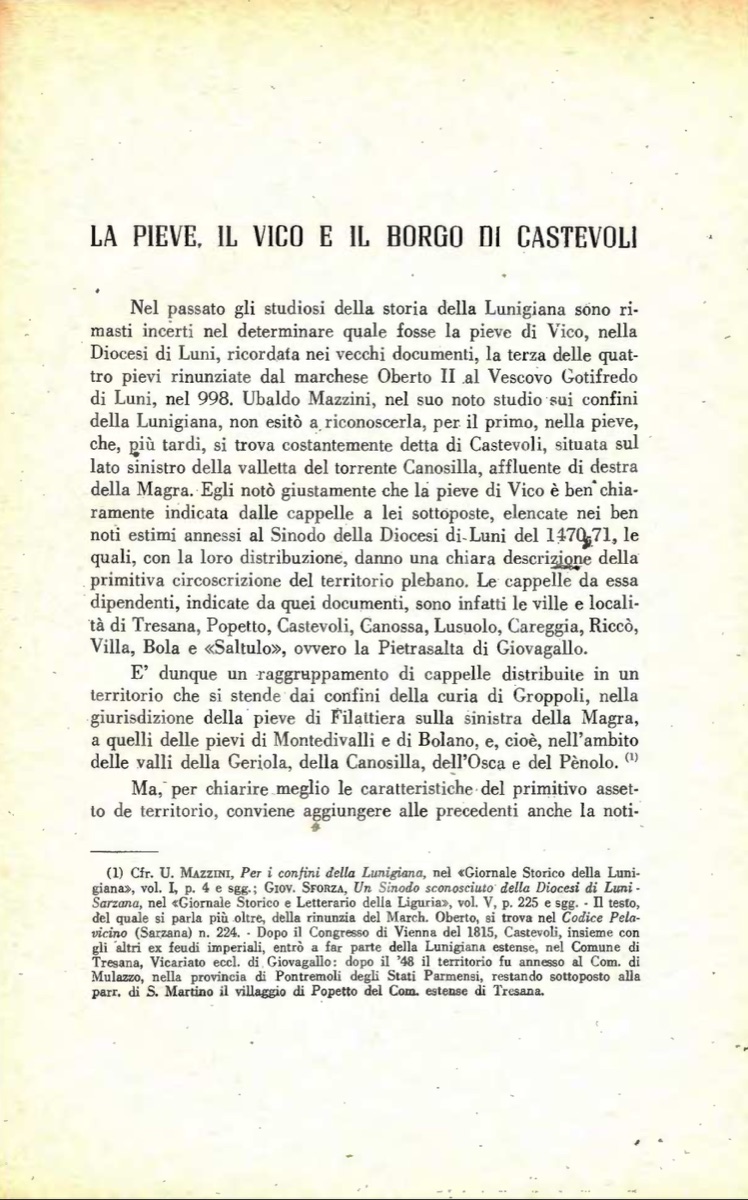
Manfredo Giuliani, La pieve, il vico e il borgo di Castevoli, in “Memorie dell’Accademia Lunigianese G. Capellini”, La Spezia 1955.
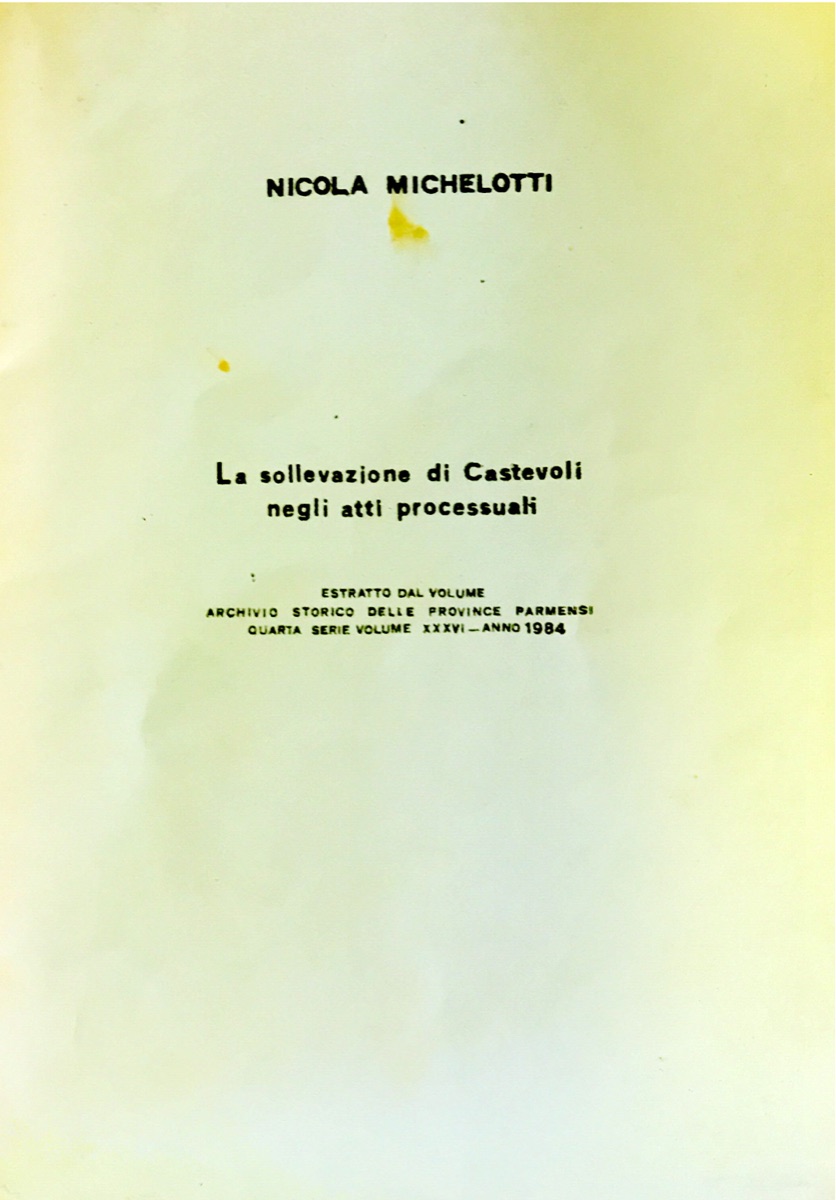
Nicola Michelotti, La sollevazione di Castevoli negli atti processuali, in “Archivio Storico delle Province Parmensi”, 1984 — the reconstruction of the revolt from the trial documents.
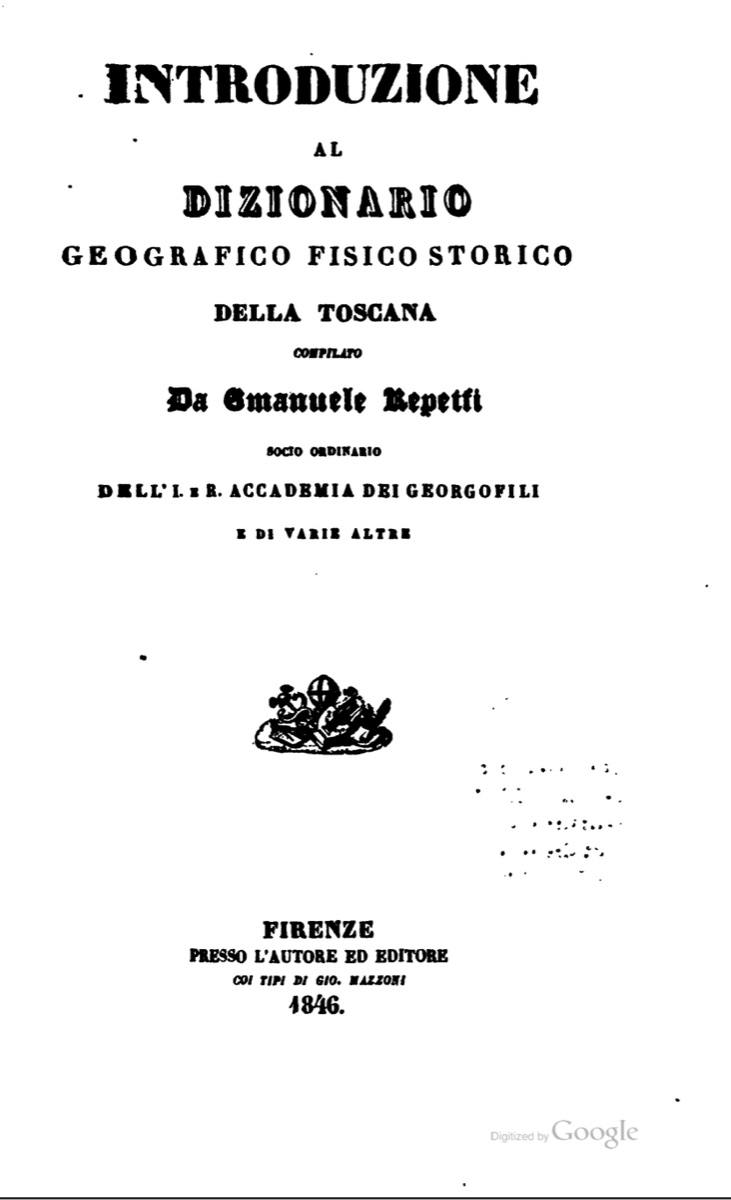
Emanuele Repetti, Dizionario geografico fisico storico della Toscana, Florence 1833–1846, entry “Castevoli”.
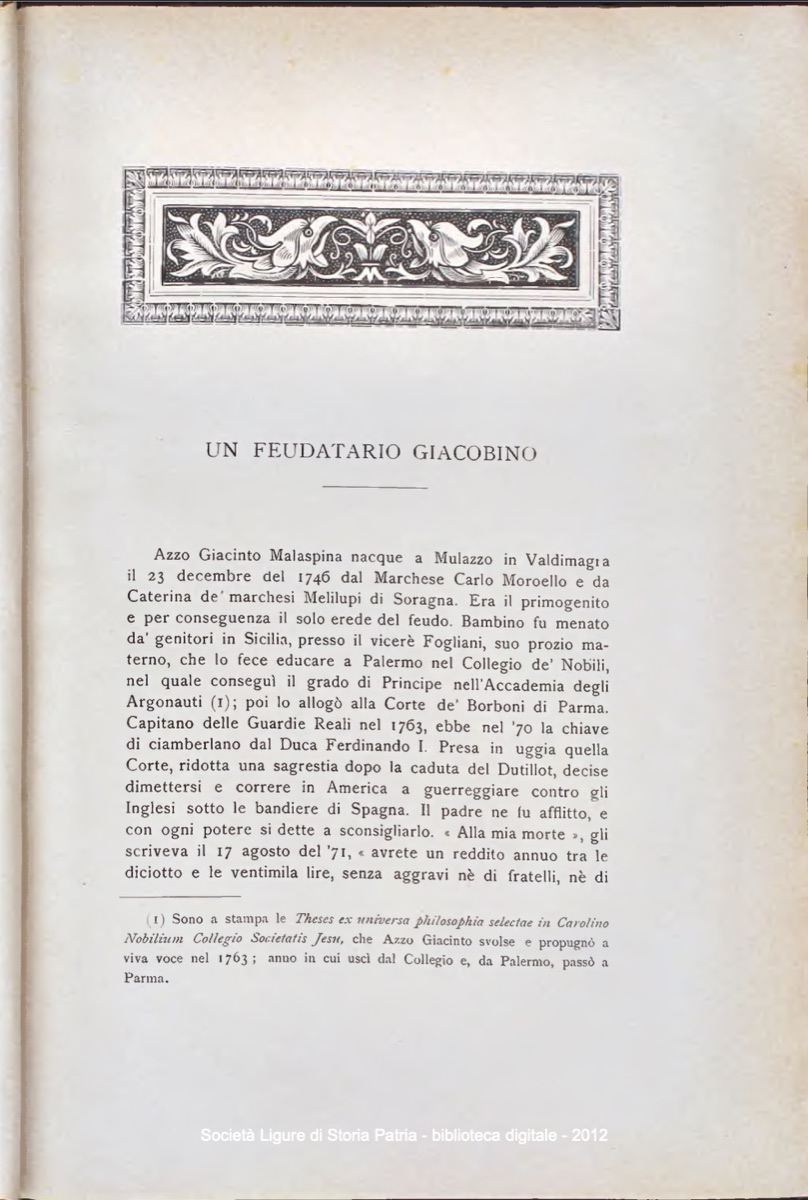
Giovanni Sforza, Un feudatario giacobino (1903), on the Malaspina of Lunigiana at the end of the eighteenth century.
To these can be added the records of the General Catalogue of Cultural Heritage (ICCD) and the Malaspina Family Archive in Mulazzo, which preserves the papers of the uprising.